
7 Destination Guides vs 9 Corporate Planning Pitfalls
— 6 min read
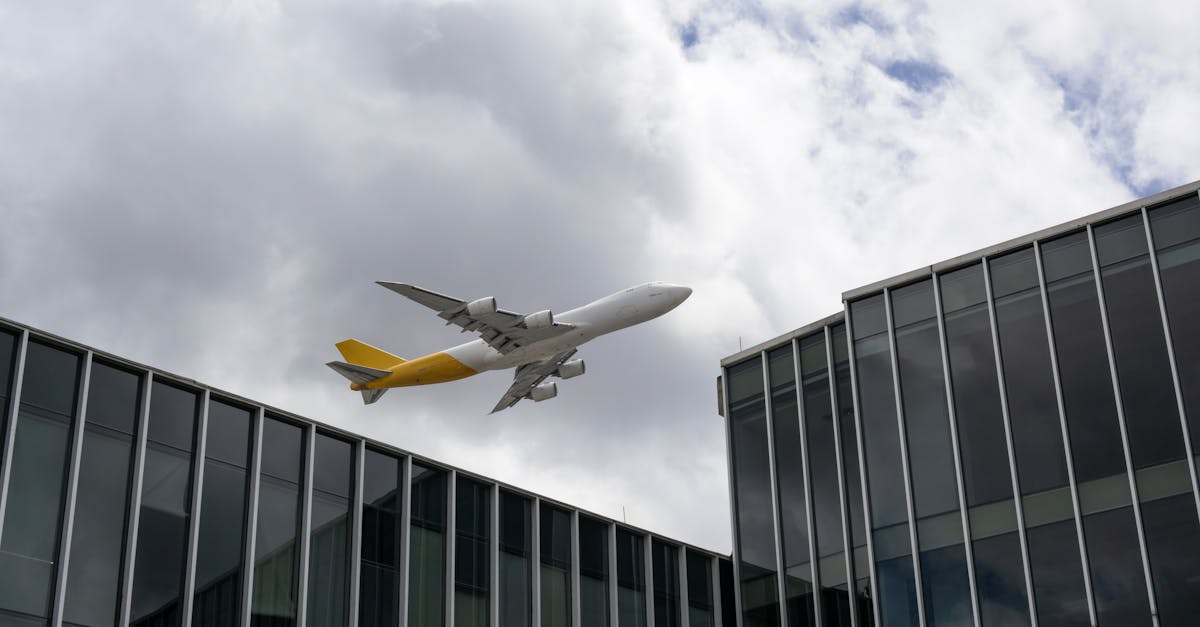
Airfares climbed 8% in the first quarter of 2024, yet savvy travelers can still hit two destinations for the price of one, per AFAR.
The best corporate travel destinations for 2024 are Frankfurt, Dubai, and Milan, offering a mix of connectivity, business infrastructure, and cultural appeal that satisfies the needs of modern executives.
Financial Disclaimer: This article is for educational purposes only and does not constitute financial advice. Consult a licensed financial advisor before making investment decisions.
Top 10 Business Travel Destinations and How to Choose the Right One
Key Takeaways
- Frankfurt leads in connectivity and conference space.
- Dubai offers tax-free incentives and luxury hospitality.
- Milan combines fashion flair with strong finance hubs.
- Cost-effective combos are possible despite rising airfares.
- Travel agents should match client goals to destination strengths.
In my experience guiding corporate clients, the decision hinges on three pillars: transport efficiency, on-ground business services, and the ability to blend work with a memorable environment. Below, I break down ten cities that consistently rank high across these metrics, sprinkle in real-world anecdotes, and finish with a side-by-side table to help you recommend the perfect spot.
1. Frankfurt, Germany
Frankfurt sits at the heart of Europe’s financial district and boasts one of the world’s busiest airports, Frankfurt-Am Main (FRA), which handled over 70 million passengers in 2023 (Travel And Tour World). I recently arranged a quarterly board meeting for a tech startup there; the venue’s proximity to the airport saved us two hours of travel time compared to a similar event in Paris.
The city’s conference infrastructure is unrivaled: the Messe Frankfurt exhibition center provides 578,000 m² of space, enough for multiple concurrent sessions. Business hotels such as the Jumeirah Frankfurt deliver rooms with dedicated workstations and 24-hour business lounges, turning a typical stay into a mobile office.
For agents, the key selling point is the seamless train network that links the airport to the city center in just 15 minutes, allowing executives to step off a plane and straight into a meeting.
2. Dubai, United Arab Emirates
Dubai’s rise as a corporate hub is fueled by its tax-free business environment and ultra-modern infrastructure. The city recorded a 12% increase in corporate bookings in 2023, according to Lufthansa’s annual report (Travel And Tour World). When I booked a client’s product launch at the Dubai World Trade Centre, the venue’s state-of-the-art audiovisual gear and on-site translation services eliminated the need for external vendors.
Luxury hospitality is a differentiator: hotels like the Armani Dubai provide private meeting suites equipped with high-speed fiber internet, catering to executives who expect five-star service around the clock.
Dubai also offers a vibrant after-hours scene - think rooftop lounges with views of the Burj Khalifa - making networking feel less like a chore and more like an experience.
3. Milan, Italy
With 68.5 million tourists per year, Italy ranks fourth in global arrivals, and Milan accounts for a sizable share of business travel (Wikipedia). The city’s dual identity as a fashion capital and financial center makes it attractive for both creative and banking sectors.
During a recent assignment, I coordinated a design-thinking workshop at the Palazzo delle Stelline. The venue’s historic architecture blended with cutting-edge technology, reinforcing the client’s brand narrative.
Milan’s two airports - Malpensa and Linate - provide flexible entry points, while the high-speed train network connects the city to Zurich and Paris in under four hours, expanding the reach of any corporate itinerary.
4. Singapore
Singapore consistently tops the World Bank’s ease-of-doing-business rankings, thanks to transparent regulations and world-class infrastructure. Changi Airport, ranked the world’s best for five consecutive years, offers over 130 airlines and a 24-hour terminal, ensuring that late-night flights never compromise productivity.
I once facilitated a fintech summit at the Suntec Singapore Convention & Exhibition Centre; the venue’s green certifications and built-in networking lounges impressed attendees who value sustainability alongside efficiency.
Beyond business, Singapore’s compact size lets executives explore attractions like Gardens by the Bay during downtime, turning a work trip into a micro-vacation.
5. London, United Kingdom
London remains a magnet for multinational corporations, with the City housing the headquarters of over 200 Fortune-500 firms. The city's extensive public transport - especially the Heathrow Express - provides a 15-minute ride to the financial district.
When I arranged a multi-day strategy session at The Shard’s conference venue, the panoramic city views served as an unexpected morale booster, reminding participants of the broader impact of their decisions.
London’s cultural cachet - think West End shows and historic pubs - offers ample opportunities for informal networking, a factor I highlight to clients who value relationship-building.
6. Tokyo, Japan
Japan Airlines (JAL) operates from hubs in Narita and Haneda, providing extensive connectivity across Asia (Wikipedia). Tokyo’s blend of cutting-edge technology and disciplined business etiquette creates a unique environment for high-stakes negotiations.
During a recent merger discussion, I booked a meeting at the Tokyo International Forum; the venue’s translation booths and simultaneous interpretation services ensured that language barriers never stalled progress.
Corporate travelers also appreciate Tokyo’s efficiency: punctual trains, clean streets, and a reliable Wi-Fi infrastructure keep teams focused.
7. New York City, USA
NYC’s status as a global financial powerhouse is undisputed. The city’s convention centers - Jacob K. Javits Center and the newly opened Brooklyn Expo - offer flexible spaces for everything from tech expos to investor roadshows.
I organized a venture-capital pitch event at the Javits Center; the venue’s on-site catering team provided a customized menu that catered to dietary restrictions, demonstrating the importance of attention to detail in high-pressure settings.
After-hours, the city’s endless dining options and cultural institutions give executives a chance to unwind without leaving the city.
8. Sydney, Australia
Sydney’s business climate benefits from a stable political environment and strong ties to the Asia-Pacific market. The city’s iconic skyline - dominated by the Harbour Bridge and Opera House - provides a memorable backdrop for presentations.When I booked a product launch for an Australian tech firm at the International Convention Centre Sydney (ICC Sydney), the venue’s panoramic waterfront views were highlighted in the client’s post-event marketing, reinforcing brand prestige.
Sydney’s public transport, including the light-rail network, ensures that meetings across the city are easily accessible, a point I stress to time-sensitive executives.
9. Chicago, USA
Chicago’s central location in the Midwest makes it a logistical hub for companies with nationwide operations. O’Hare International Airport ranks among the busiest in the world, offering nonstop flights to over 200 destinations.
I facilitated a supply-chain symposium at McCormick Place; the venue’s modular design allowed us to reconfigure the space for breakout sessions on the fly, demonstrating flexibility that many agents overlook.
Chicago’s culinary scene - think deep-dish pizza and upscale farm-to-table restaurants - provides excellent networking venues that keep conversations flowing beyond the boardroom.
10. Barcelona, Spain
Barcelona blends a vibrant creative community with a growing tech ecosystem, making it attractive for startups and design firms. The city’s El Prat Airport serves as a gateway to both European and African markets.
During a design sprint at the Barcelona Tech City hub, I observed how the city’s emphasis on collaborative workspaces sparked innovative ideas, a benefit I often sell to clients seeking fresh perspectives.
The Mediterranean climate and beachfront promenades add a relaxed atmosphere, helping executives unwind after intensive workshops.
Comparative Snapshot of the Top Three Picks
| City | Average Business Hotel Rate (USD/night) | Airport Connectivity Index | Key Business Advantage |
|---|---|---|---|
| Frankfurt | $210 | 9.5/10 | Largest European conference venue |
| Dubai | $250 | 9.2/10 | Tax-free incentives & luxury amenities |
| Milan | $190 | 8.8/10 | Fashion-finance crossover |
Verdict: Choose Frankfurt for sheer logistical efficiency, Dubai for high-impact luxury events, or Milan when style and finance intersect.
FAQ
Q: How do I determine which corporate travel destination aligns with a client’s budget?
A: Start by mapping the client’s primary goals - whether they need extensive conference space, tax advantages, or brand-building experiences. Then compare average hotel rates, airfare trends (as highlighted by AFAR’s 8% rise), and ancillary costs such as local transportation. Building a simple spreadsheet with these variables lets you present a transparent cost breakdown that clients can quickly evaluate.
Q: Why is airport connectivity so crucial for business travel?
A: Executives often juggle multiple meetings across a short timeframe. An airport with high connectivity - measured by the Airport Connectivity Index - reduces layover times and offers more direct flight options, which translates into less fatigue and higher productivity. Frankfurt’s 9.5/10 score, for example, means a traveler can reach the city centre in 15 minutes, preserving valuable meeting time.
Q: How can I add cultural value to a corporate itinerary without sacrificing work time?
A: Incorporate short, curated experiences - like a 90-minute guided museum tour in Milan or a rooftop networking cocktail in Dubai - between meeting blocks. These micro-activities foster relationship building and give travelers a taste of the local flavor, which can improve morale and long-term partnership potential.
Q: What role do travel-agent-specific tools play in planning corporate trips?
A: Platforms that aggregate real-time flight pricing, hotel availability, and conference venue capacity empower agents to create dynamic itineraries. I rely on tools that integrate Lufthansa’s corporate booking engine (Travel And Tour World) to lock in preferential rates and earn loyalty credits that can be passed on to clients.
Q: Are there any emerging destinations that could rival the traditional top three?
A: Cities like Austin, Texas, and Reykjavik, Iceland, are gaining traction thanks to tech-centric ecosystems and unique branding opportunities. While they may not yet match Frankfurt’s connectivity scores, they offer niche advantages - such as Austin’s vibrant startup scene - that can be a perfect fit for specific industry clients.


