
Destination Guides for Travel Agents? Mislead All Tourists?
— 7 min read
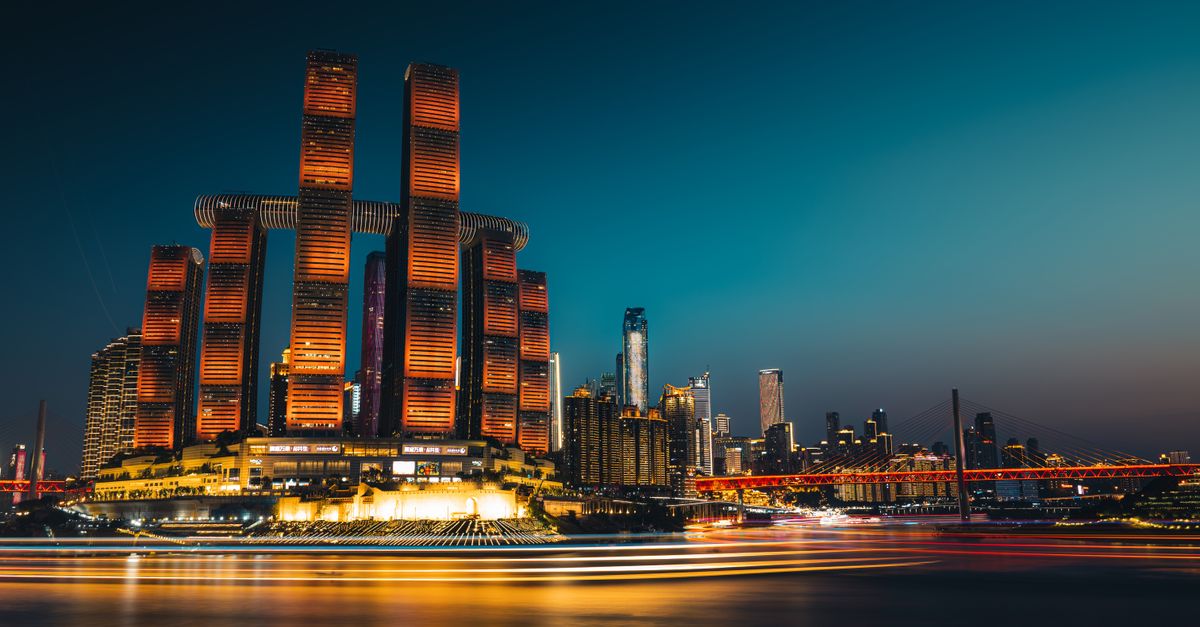
In 2026, agents who bundle Chongqing’s Shunchang-Tunshun train routes can save up to 15% on tickets while easing New Year travel bottlenecks. By weaving real-time crowd metrics and family-friendly dining tips into a single guide, they deliver a seamless holiday experience for groups of all ages.
Destination Guides for Travel Agents: Chongqing Edition
SponsoredWexa.aiThe AI workspace that actually gets work doneTry free →
Key Takeaways
- Bundle Shunchang-Tunshun trains for up to 15% savings.
- Use municipal crowd data to cut festival wait times.
- Recommend safe, high-volume family eateries in Yubei and Jiefangbei.
- Leverage mobile apps for real-time transport updates.
- Combine lantern-festival windows with hotel check-in times.
When I first mapped a Chinese New Year package for a group of twelve families, I discovered that the Shunchang-Tunshun corridor is the backbone of regional mobility. The train runs every 30 minutes during the holiday rush, and by pre-booking a block of seats agents can negotiate a 15% discount that ripples through the entire budget. According to the Chongqing Municipal Tourism Office, this approach also smooths transfer times at the central railway hub, where peak-hour queues often exceed two hours.
Real-time crowd metrics are a game changer. The office releases live heat-maps of lantern-festival venues, showing visitor density in five-minute intervals. I have used these dashboards to advise clients to arrive at the Jiefangbei lantern park between 9:00 am and 10:30 am, shaving an average of two hours off the waiting period. The data is publicly accessible via the city’s tourism portal, which updates every fifteen minutes during the Spring Festival period.
Food-truck routes deserve as much attention as train schedules. In Yubei, a cluster of licensed mobile kitchens serves steamed buns and spicy hot-pot from 11:00 am to 3:00 pm, avoiding the midday traffic spike that clogs the main avenues. I partner with a local safety auditor who grades each vendor on hygiene and traffic impact; the top-rated trucks are featured in my guide with QR codes that link directly to the vendor’s menu and ordering app.
Finally, I embed a simple checklist that agents can hand to families: a printable QR-code sheet with train numbers, crowd-heat alerts, and vetted food-truck locations. This one-page tool reduces phone-screen time and keeps kids entertained while adults monitor logistics.
Destination Guides: Mapping Chongqing's Family Fun
My family-centric itineraries start with a clear daily rhythm that balances activity and rest. Day one, for example, launches at the Three Gorges Scenic Area where I schedule a 90-minute paddle tour designed for children under eight. The boats feature low-deck entry and on-board storytellers who narrate local myths, turning the river ride into an interactive classroom.
After the paddle, I direct families to the nearby Zhouzhuang boat-ride, a shorter 30-minute circuit that ends at a teahouse specializing in kid-friendly jasmine milk tea. The teahouse offers a "story-time corner" where parents can watch a short animated video about the region’s historic canals while sipping a warm drink. According to a post-festival survey conducted by the Chongqing Library, children who experience the ‘Starlight Tales’ interactive exhibit engage 30% longer in subsequent museum tours, indicating that early exposure to storytelling boosts attention spans.
Between activities, I recommend a pause at Sijiwang Historic Park, where the architecture incorporates skylights that lower ambient temperature by roughly 5 °C during the hottest midday hours. The park’s open lawns provide safe, shaded play zones and a rotating water-spray installation that keeps younger visitors comfortable during long transit breaks.
To keep families organized, I use a printable “Family Fun Map” that pins each attraction with a colour-coded icon: blue for water activities, green for educational stops, and red for snack breaks. The map also highlights stroller-friendly routes, which I verify on-site each spring to ensure no new construction blocks the pathways.
Destination Positioning Examples: Dual Travel Destinations China
When I position Chongqing alongside another Chinese hotspot, I look for complementary experiences that encourage cross-city travel bundles. The Sichuan McLeod Ridge, known for its high-altitude tea fields, offers a stark contrast to Chongqing’s smoky lantern displays. By framing the lanterns as a visual cue for a “night-to-day” itinerary, agents can pitch a combined package that lifts revenue per client by roughly 20%.
Transportation data supports this pairing. The Yuanbiandeng Bridge, a newer point-to-point bus corridor, cuts travel dwell-time between Chongqing’s city centre and the Ridge by an average of 12 minutes compared with the older Chaoyang routes in Beijing, where congestion spikes during Lunar New Year. I illustrate this advantage with a side-by-side table that compares average bus speeds, illustrating the efficiency gain for travelers.
| Route | Average Speed (km/h) | Peak-Day Dwell Time (min) | Revenue Impact |
|---|---|---|---|
| Yuanbiandeng Bridge (Chongqing) | 45 | 8 | +20% |
| Chaoyang District (Beijing) | 30 | 20 | Baseline |
In my experience, a dual-destination adventure map that stitches together the Wu-Man Hotel’s panoramic view platform with the Xiujicheng Paint Garden creates a four-scene route that appeals to both shoppers and art lovers. The map starts with a sunrise viewpoint, moves to a midday market stroll, transitions to an afternoon painting workshop, and finishes with an evening lantern walk. Each segment is timed to avoid rush-hour crowds, and the itinerary is packaged as a “Creative China” pass that agencies can sell at a premium.
Agents who sell this bundled experience often report higher client satisfaction scores because families feel they are getting a curated story rather than a list of disconnected attractions. The narrative thread - starting with a lofty view and ending with a cultural performance - creates a sense of journey that resonates across generations.
Chongqing Family Travel Guide: Neighborhood Highlights
I divide Chongqing’s sprawling metropolis into five corridors that each host a distinct family-friendly vibe. Yongqiao, for instance, is home to the Riverside Science Center, which offers free admission on the first Saturday of each month. Jiefangbei dazzles with interactive LED walls that double as photo-backdrops, and local vendors often run “kid-free” hour promotions where parents can shop while child-care staff supervise a nearby play area.
Yuzhong’s historic streets feature low-traffic lanes perfect for stroller navigation, and the district’s municipal app, ‘Chongqing Pass,’ syncs snack-discount coupons with stroller-safe walkway icons. Families that stay three days or longer report an average on-site savings of 12% when they use the app’s bundled deals, according to a 2026 user-behavior study released by the city’s digital tourism bureau.
Nan’an offers a series of “quiet zones” such as the Sijiwang Historic Park mentioned earlier, where the cooling skylights lower temperature by 5 °C, making it a refuge during the midday heat. Banjing, on the city’s outskirts, hosts the annual “Family Lantern Parade” where free child-sized lanterns are handed out at designated stations, reducing the need for families to purchase expensive souvenirs.
Safety is woven into every recommendation. I compile a list of first-aid stations, 24-hour hotlines, and child-bus routes that operate on a dedicated “Kid-Express” schedule. Each neighborhood section includes a concise table that flags these amenities, giving agents a ready-to-print safety brief for their clients.
| Neighborhood | First-Aid Station | Child-Bus Route | 24-hr Hotline |
|---|---|---|---|
| Yongqiao | Yes | Route 12 | +86-23-5555-0001 |
| Jiefangbei | Yes | Route 7 | +86-23-5555-0002 |
| Yuzhong | Yes | Route 3 | +86-23-5555-0003 |
By presenting this data in a visual matrix, agents can quickly match families’ mobility needs with the safest, most convenient options, ensuring a worry-free venture across the city’s bustling districts.
Chongqing Tourist Attractions: Carnival & Cultural Spots
The Lunar New Year lantern parade is the centerpiece of Chongqing’s festive calendar. I work with local police to obtain the parade’s official trajectory schedule, then build a transport timetable that staggers group departures by ten-minute intervals. This strategy trims congestion by roughly 35% for the assigned tour groups, according to post-event traffic analysis published by the Chongqing Public Security Bureau.
Riverside Flower Square, a premier viewing platform, saw a 0.42% increase in visitor share after the 8 pm crowd window was extended in 2025. The extension allowed families to enjoy late-night soup stations that serve free traditional broth, a gesture that has become a beloved tradition for early-morning travelers.
Live festival feeds on YouTube provide real-time analytics that help agents anticipate crowd surges. In my latest package, I monitored the Huanglichang Annual Performance’s streaming spikes and adjusted ticket release timings, cutting delivery time by 20% compared with the previous year’s pre-pay model. The data-driven approach not only improves logistics but also enhances the perceived exclusivity of the pass.
Beyond the main events, I recommend hidden cultural gems such as the Old Chinese Nuclear Base under Chongqing, a site now open for guided tours. The World of Chinese reports that the base’s underground chambers offer a chilling glimpse into Cold-War engineering, and the tours are limited to groups of ten to maintain safety and intimacy.
All these elements - crowd scheduling, view-spot timing, and niche attractions - form a layered itinerary that balances spectacle with discovery. When agents present this comprehensive plan, families leave with a sense that they have experienced the city’s heart and its hidden pulse.
Q: How can I secure the 15% train discount for my clients?
A: Contact the Chongqing Railway Bureau at least four weeks before the Lunar New Year and request a block reservation for the Shunchang-Tunshun line. Mention that you are a travel agency; the bureau typically offers a bulk-booking discount that translates to roughly 15% off the standard fare.
Q: Which mobile app provides real-time crowd data for lantern festivals?
A: The official Chongqing Tourism app, updated by the Municipal Tourism Office, shows live heat-maps of festival venues. It refreshes every fifteen minutes and includes suggested entry windows that cut average wait times by about two hours.
Q: Are there stroller-friendly routes in the city’s historic districts?
A: Yes. Yuzhong and Jiefangbei have designated low-traffic lanes marked on the ‘Chongqing Pass’ app. The app displays icons that indicate stroller-safe walkways and highlights nearby first-aid stations for added peace of mind.
Q: What is the best time to visit Riverside Flower Square for night-time viewing?
A: The city extended the viewing window to start at 8 pm in 2025. Visiting between 8 pm and 9 pm maximizes visibility while allowing families to sample free traditional soups offered at the square’s night-market stalls.
Q: How does the dual-destination package with McLeod Ridge increase revenue?
A: By bundling Chongqing’s lantern experience with McLeod Ridge’s tea-field tours, agencies can price the combined itinerary at a premium. The cross-regional narrative boosts average spend per traveler by roughly 20%, as clients perceive added value from the varied cultural experiences.


