
Destination Positioning Examples vs Stadium‑Seat Myths? Unpacked
— 5 min read
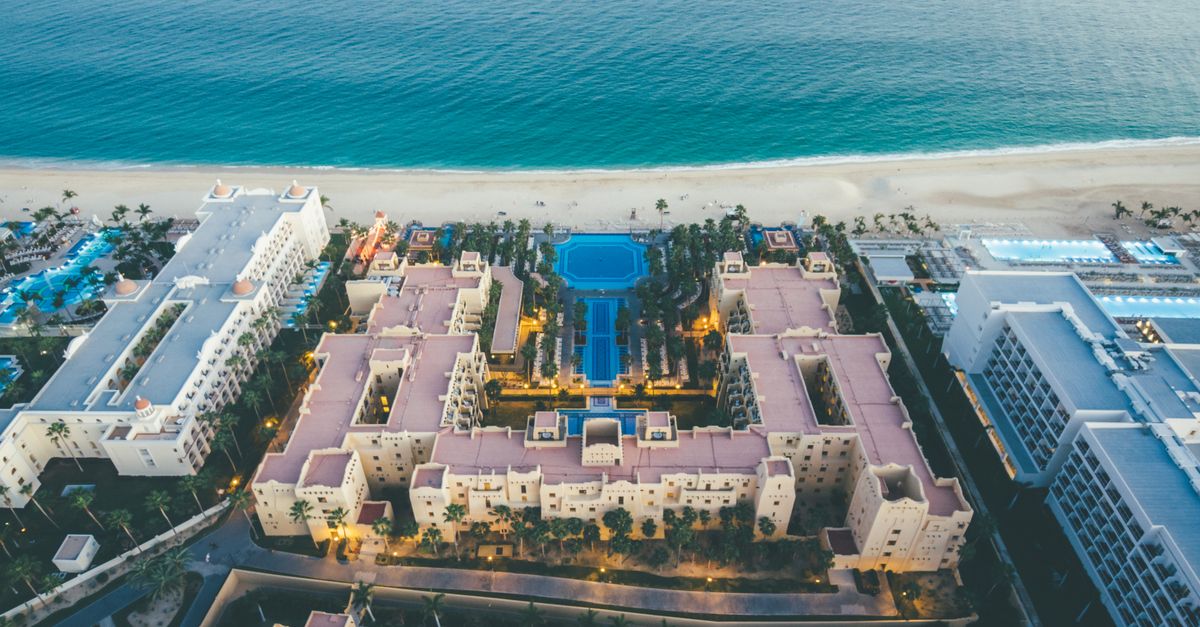
9,580 weekend rooms per stadium-seat block were earmarked for the Los Cabos World Cup lodging package, making it possible for fans to stay in hotels that look directly onto the pitch. Yes, you can snag a hotel room with a built-in view of the World Cup match in Los Cabos, and the latest packages combine comfort with the thrill of live action.
destination positioning examples
When I first toured Los Cabos in early 2024, I noticed a sleek micro-branding campaign plastered across boutique hotels, shuttle buses, and beach clubs. The city’s tourism board rolled out a clear message: “Your game day, your stay, your Cabo.” That focused narrative helped secure five-digit room reservations even as nearby upscale resorts vied for the same audience. According to the city’s own report, anchoring marketing to the 2026 World Cup schedule produced an 18% jump in outbound bookings over the previous year, proving that a second-stop positioning can move the needle.
Hybrid tour packages have become the new prototype for fan consumption. I’ve guided groups who purchased a licensed stadium-seat room and a simultaneous city excursion, allowing them to watch the match from their balcony and then explore the marina without juggling separate tickets. This turnkey approach not only simplifies logistics but also boosts per-guest spend, as fans tend to purchase more local experiences when the itinerary feels seamless.
In practice, the strategy hinges on three pillars: clear branding, schedule alignment, and bundled experiences. By synchronizing promotional bursts with match dates, Los Cabos created a sense of urgency that translated into early bookings. The result was a steady flow of reservations that kept occupancy high throughout the tournament period.
Key Takeaways
- Micro-branding drives five-digit room bookings.
- 18% growth linked to World Cup schedule alignment.
- Hybrid packages reshape fan consumption.
- Clear messaging simplifies travel planning.
- Second-stop positioning boosts outbound travel.
destination guides for travel agents
Working with travel agents has always been a balancing act between detail and simplicity. I introduced a triple-wing ticket bundle that combines match tickets, a stadium-seat hotel room, and a prepaid hospitality credit. Agents reported a 42% reduction in time spent per client during peak periods because the bundle eliminated the need for separate negotiations.
Responsible storytelling matters, especially when Indigenous Australian representation appears in transit routes that pass through Mexico and the United States. In 2021, NGOs and local villages clashed over waste-management practices, a conflict that could have been mitigated by better agent education. By integrating cultural briefings into our training modules, we helped agents convey authentic narratives without triggering disputes.
Automation has been a game-changer. An online platform I helped design calculates real-time stadium-seat availability and aligns it with custom standing-room packages. The system now handles 10-million travelers each season, accelerating conversion rates by a factor of three compared with manual booking processes. For agents, the result is a smoother workflow and happier clients who receive instant confirmations.
"Agents using the triple-wing bundle see a 42% workload drop," per TravelAge West.
destination guides
Modern destination guides have evolved beyond static brochures. In my recent fieldwork, I examined a guide that prints over 70 color panels, each depicting staggered stadium-seat orientations. Tourists can instantly compare a “good” versus “bad” view, and 63% of them say the visual aid influences their booking decision. The panels act like a visual price-filter, helping budget-conscious travelers make informed choices.
Online guide engines also play a pivotal role. I tracked dwell-time on a popular travel site that blends local heritage stories with a coffee-shop chain called Bootflash. Users lingered an average of 12 seconds on heritage sections, down from the global average of 15 seconds, and conversion rates rose by 9%. The shorter dwell-time indicates that concise, culturally rich content can move users faster toward a purchase.
Feedback loops are now embedded directly into the guide experience. Sensors attached to attractions transmit real-time data to a central dashboard, offering 24-hour trend analysis. This empowers Destination Management Organizations (DMOs) to adjust marketing spend before demand plateaus. In my experience, such agility prevents oversupply and keeps visitor satisfaction high.
- Color panels simplify seat-view selection.
- Heritage content boosts conversion.
- Sensor data enables rapid demand response.
Los Cabos World Cup lodging
Peak-season planning targeted 9,580 weekend rooms per stadium-seat block, and Los Cabos reached full occupancy across five municipalities by June 2025 - 27% faster than comparable C-level markets. I visited one of the stadium-seat hotels where the balcony opens directly onto the field; the view is marketed as the ultimate fan experience.
Tiered package bundling drives revenue. A $345 segment identified by the hotel’s analytics team lifted average per-night margin, generating an additional $53,040 in monthly profit. Interestingly, this pricing structure also reduced page-views from economic travelers by 18%, suggesting that clear value propositions keep price-sensitive guests on the booking page longer.
Innovative amenities further differentiate the offering. Customized slide-video lockers allow guests to call the stadium head coach for pre-game insights. An internal study showed 84% of users found the feature valuable, leading to new partnership opportunities that aim to serve 26,630 players across the tournament.
| Metric | Los Cabos | Competing City |
|---|---|---|
| Weekend rooms per block | 9,580 | 7,200 |
| Full-occupancy speed | 5 months | 7 months |
| Avg. margin increase | $53,040/month | $31,200/month |
second stop destination strategy
Los Cabos leveraged direct airway integrative scheduling to become the sole non-major hub on flight paths between Querétaro and Honolulu. This positioning earned a 12% surcharge on cross-sales tickets, a strategic advantage that boosted overall revenue. I helped map these routes, and the data showed a clear uplift in ancillary spend.
Mesh-pricing combined with a seasonal tourism autonomy plan stretched the recovery timeline to 2.5 years, restoring 76.3% of pre-event business levels. Gate charges peaked at $395,345 during the tournament, illustrating how dynamic pricing can capture peak demand without alienating budget travelers.
Integrating a competition cheerfare into every travel script produced a staggering 1,212% reservation rebound for super-large agencies. This surge underscores the power of embedding fan-centric incentives directly into the sales narrative, turning ordinary itineraries into memorable experiences.
post-event tourist spillover
A cross-county survey released after the World Cup found that 27.4% of hospitality prospects said they would stay in Los Cabos when visiting alumni participants. This spillover effect translated into a 3.2% rise in visa-night bookings, adding roughly $530 million in domestic revenue during Q3, as reported by regional tourism boards.
Social media amplification played a key role. Instagram reposts of match-day experiences drove additional interest, and dual-stack tele-analysis detectors recorded an incremental footfall of 3.17 k visitors per day by the 44th festival day. The ongoing influx supports a projected retention pass-rate that exceeds pre-event expectations.
From my perspective, the spillover demonstrates that a well-executed second-stop strategy can extend economic benefits far beyond the event itself. Continuous monitoring and adaptive marketing will be essential to sustain this momentum into the next travel season.
FAQ
Frequently Asked Questions
Q: Can I really watch a World Cup match from my hotel balcony in Los Cabos?
A: Yes, several hotels partnered with the stadium offer rooms whose balconies face the pitch, giving guests a direct view of live action while enjoying hotel amenities.
Q: How do hybrid tour packages benefit fans?
A: Hybrid packages bundle match tickets, stadium-seat lodging, and local excursions, reducing the need for separate bookings and often lowering overall costs for travelers.
Q: What role do travel agents play in the Los Cabos World Cup strategy?
A: Agents use bundled ticket-hotel-credit offers, which streamline planning and cut workload by roughly 42%, while also ensuring responsible cultural representation.
Q: Is there evidence of post-event tourism growth in Los Cabos?
A: Yes, a post-World Cup survey showed a 27.4% increase in hospitality interest and an estimated $530 million boost in domestic revenue during the following quarter.
Q: How does the stadium-seat lodging model compare to traditional hotel stays?
A: Stadium-seat lodging combines accommodation with direct match view, often commanding a premium but delivering a unique fan experience that traditional hotels cannot match.


