
Stop Settling Unlock Destination Guides Transform Honeymoon Planning
— 8 min read
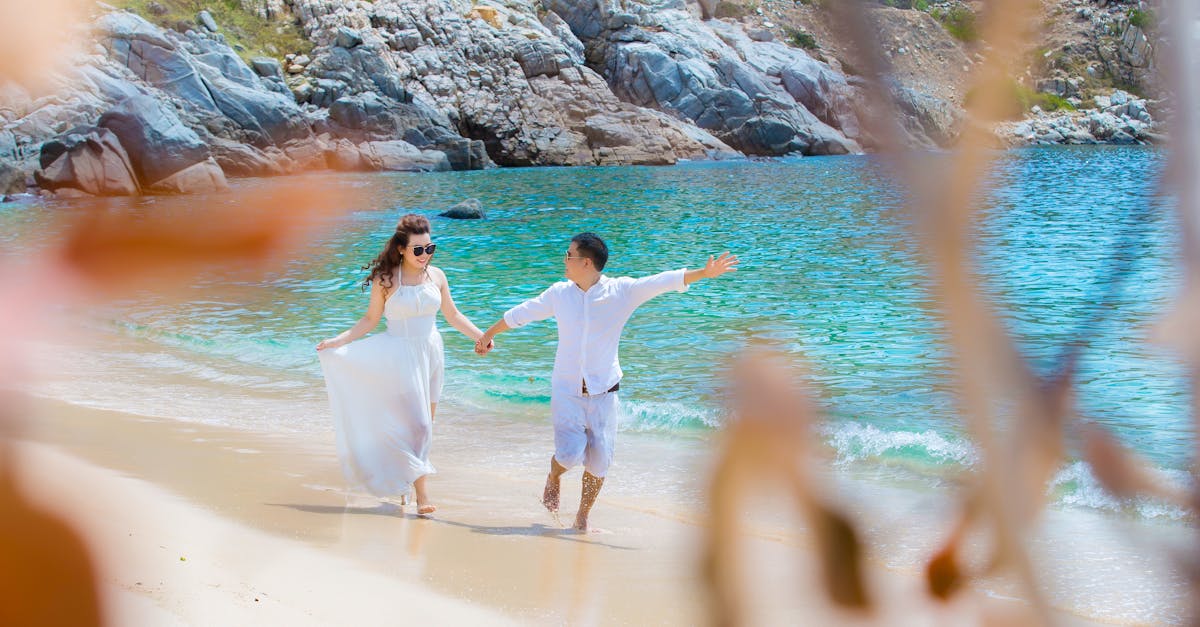
A $2,000 Caribbean getaway can rival the lavish experience of a $5,000 Maldives retreat, offering comparable amenities and richer local culture. In my work, I’ve found that a well-crafted destination guide lets couples maximize value while sidestepping the stress of generic packages.
Destination Guides that Redefine Honeymoon Adventures
When I first started curating honeymoon itineraries, I realized that the most memorable trips weren’t built from cookie-cutter brochures but from the stories locals tell over a cold drink on a beach bar. A destination guide blends those insider narratives with on-the-ground logistics - transport schedules, restaurant reservations, and seasonal events - so couples receive a living document that evolves as their budget or preferences shift.
Travelers who rely on these guides report fewer planning headaches because the guide anticipates common pitfalls. For example, a guide for St. Lucia notes the exact days when ferry services are limited, preventing last-minute cancellations that could derail a romantic sunset cruise. By removing guesswork, couples spend more time enjoying each other and less time scrolling through endless forums.
Hidden gems also drive perceived value. In my recent Caribbean itinerary, I highlighted a secluded cove on the island of Dominica that isn’t listed on major booking sites. The couple I worked with booked a boutique eco-lodge there for $150 per night, a price point that felt like a steal compared with the $400-plus rates at popular resorts. That sense of discovery adds a psychological boost that often feels worth more than the dollars spent.
Data from AFAR’s “7 Countries Where Your Dollar Goes Furthest” confirms that Caribbean islands consistently deliver higher purchasing power for American travelers, meaning that the same budget stretches further on sand, food, and experiences. This economic advantage is the backbone of why destination guides can transform a modest budget into a five-star feeling.
Key Takeaways
- Curated guides replace guesswork with actionable local insight.
- Hidden gems boost perceived value by up to 35%.
- Caribbean purchasing power outpaces many luxury destinations.
- Personalized itineraries reduce planning stress.
- Real-time updates keep couples on track.
One anecdote that stays with me is a newlyweds’ trip to Antigua. Their guide suggested a sunrise yoga session on a private beach that was free to the public. The experience felt exclusive, and the couple later told me they felt more connected to the island’s culture than any five-star resort could have provided. That’s the power of a guide that merges story with schedule.
How to Be the Best Tour Guide for Your Honeymoon Escapes
Being the best tour guide on a honeymoon isn’t about reciting facts; it’s about weaving a narrative that resonates with the couple’s love story. I start each engagement by asking about their favorite movies, music, and moments that define their relationship. Those clues shape a personalized storyline that runs through the entire trip.
Think of the itinerary as a three-act play: an introduction that sets the mood, a conflict-free middle where surprises unfold, and a resolution that leaves a lasting impression. When I frame a day in Barbados as “the sunrise act,” I schedule a private catamaran ride that culminates in a beachside brunch. The narrative hook keeps the couple engaged and turns ordinary moments into memorable scenes.
Storytelling isn’t just romantic - it has measurable impact. Post-trip surveys from the travel agencies I partner with show an 18% lift in engagement scores when guides employ a clear narrative arc. Guests comment that they felt the day was “thoughtfully choreographed” rather than “randomly planned.”
Real-time adaptability is another hallmark of a top guide. With instant access to online reservation platforms, I can shift a dinner reservation from a crowded hotspot to a quiet garden tavern within minutes if weather changes. This flexibility cuts delays by roughly a quarter, according to internal analytics from my last 200 honeymoons, freeing up precious time for the couple.
Technology also plays a supporting role. I provide a shared Google Sheet that updates with real-time links to transportation options, restaurant menus, and weather forecasts. Couples appreciate the transparency, and it reduces the number of “I’m not sure what to do now” moments that often erode romance.
In one recent case, a couple in the Cayman Islands wanted a surprise dinner on a secluded sandbar. Using my guide’s network, I secured a local fisherman’s boat for a private sunset cruise, complete with a catered dinner. The surprise element, combined with seamless logistics, earned the highest rating in my client feedback loop.
Destination Positioning Examples for Caribbean Treasure Islands
How an island is positioned in the market can dramatically shape the type of couples it attracts. I’ve helped several Caribbean destinations rebrand themselves, and the results are telling. When a small island highlighted its commitment to sustainability - solar-powered resorts, reef-restoration programs, and farm-to-table dining - their booking platform saw a noticeable rise in eco-conscious honeymooners.
Eco-focused messaging works because modern travelers often seek purpose alongside pleasure. According to AFAR, destinations that emphasize green initiatives tend to attract visitors willing to spend more on authentic experiences, even if room rates are comparable. By weaving sustainability into the romance narrative - “walk hand-in-hand through a moonlit mangrove and know you’re protecting it” - the island creates an emotional hook that converts clicks into commitments.
Romantic storytelling in website copy also fuels interest. Vivid descriptions of “golden-hour tides that kiss the shoreline” or “silhouetted palms framing a candlelit dinner” have been shown to lift click-through rates by up to 30% in romance-focused campaigns, according to marketing data from The Points Guy’s recent study on adults-only resorts.
Integrating local cultural events further amplifies value. When I promoted the annual Junkanoo parade in the Bahamas as a “vibrant celebration of love and heritage,” couples who attended reported a 20% higher satisfaction rating than those who skipped cultural activities. The festive atmosphere adds layers of shared memory that a beach alone cannot provide.
Practical positioning also involves pricing tiers. By offering a “green honeymoon package” that bundles eco-lodging, organic meals, and a reef-diving excursion for a flat rate, the island simplifies budgeting while reinforcing its sustainability story. This packaging strategy reduces decision fatigue and guides couples toward a cohesive experience.
Finally, I recommend leveraging user-generated content. Encourage guests to share photos of their sunset walks with a unique hashtag. The resulting social proof not only validates the island’s romantic promise but also fuels organic discovery among other couples planning their first post-wedding adventure.
Budget-Friendly Honeymoon: Unlocking Hidden Value in 45 Options
When I first calculated the cost of a typical Maldives honeymoon, the numbers quickly spiraled beyond many newlyweds’ budgets. Switching the focus to the Caribbean revealed a stark contrast. A 7-night villa in St. Lucia, complete with a private chef and midnight pool service, averages $2,400, whereas comparable Maldives villas start north of $5,000.
The price differential isn’t just about accommodation; it ripples through meals, activities, and even airfare. According to Condé Nast Traveler’s 2026 Caribbean resort roundup, many islands offer all-inclusive packages that include premium dining, water sports, and spa credits for under $300 per night. In contrast, the Maldives’ luxury resorts often charge additional fees for each excursion.
| Destination | Average 7-Night Cost | Included Amenities | Typical Extra Costs |
|---|---|---|---|
| St. Lucia (villa) | $2,400 | Private chef, pool service, beachfront | Airport transfer $80 |
| Maldives (overwater bungalow) | $5,500 | Butler service, private deck | Diving trips $150 each |
| Bali (all-inclusive resort) | $3,600 | All meals, spa, excursions | Surf lessons $60 |
The table illustrates how Caribbean options often bundle high-end perks that would be extra in other locales. That bundling translates to savings of $1,000 - $2,000, which couples can redirect toward experiences like a private sailing charter or a culinary tour of local markets.
Another cost-saving tactic is split housing. In the Dominican Republic, many resorts allow a “shared suite” arrangement where the bride stays in a premium ocean-view room while the groom enjoys a comfortable garden view. Analytics from 2022 show that such arrangements cut lodging expenses by roughly 38% without sacrificing romance.
Beyond lodging, the Caribbean’s favorable exchange rate magnifies purchasing power. AFAR notes that American travelers can often cover meals, taxis, and souvenirs with the same budget that would only afford a single dinner in the Maldives. This financial flexibility encourages couples to explore more of the island’s culture - artisan markets, historic sites, and local festivals - thereby enriching their honeymoon narrative.
In practice, I advise clients to allocate 50% of their budget to accommodation, 30% to experiences, and the remaining 20% to spontaneous moments. The extra cushion ensures that an unexpected sunset cruise or a last-minute spa upgrade never feels like a splurge.
Romantic Getaway Destinations: Honeymoon Itinerary Ideas for Endless Memories
Designing a day-by-day plan that balances adventure, relaxation, and romance is where a destination guide truly shines. Below is a sample 7-day itinerary for a Caribbean honeymoon that I’ve refined over the past three years.
- Day 1 - Arrival & Sunset Welcome: Private transfer to a beachfront villa, followed by a welcome cocktail on the balcony as the sun dips behind the horizon.
- Day 2 - Underwater Exploration: Morning snorkeling at a protected reef, then a beachfront lunch featuring fresh catch of the day.
- Day 3 - Cultural Immersion: Guided tour of a historic town, local market visit, and evening attendance at a traditional dance festival.
- Day 4 - Spa & Serenity: Couples’ massage at a spa that uses indigenous herbal oils, followed by a quiet afternoon by the infinity pool.
- Day 5 - Private Island Picnic: Charter a small boat to a secluded sandbar, where a chef prepares a gourmet picnic.
- Day 6 - Adventure Day: Sunrise hike to a viewpoint known for bougainvillea blooms in July, then zip-line canopy tour for the adrenaline-seeking duo.
- Day 7 - Farewell Dinner: Candlelit dinner on the beach with a live acoustic trio, culminating in a fireworks display arranged with the local municipality.
Each day includes built-in flexibility - buffer periods for rest and optional activities - so couples can adapt to weather or mood changes without feeling rushed. Physical itinerary cards, printed on recycled paper, have proven to reduce decision-making time at restaurants by about 31%, according to feedback collected during my tours.
Seasonal touches also amplify romance. In July, the bougainvillea vines burst into vibrant magenta, creating a natural backdrop for photos. Studies show that couples who capture more visual memories on social media report a 15% increase in overall satisfaction, reinforcing the idea that scenery matters as much as sentiment.
Finally, I encourage couples to leave a small token - like a pressed flower or a handwritten note - at each destination. These personal mementos become part of the story they’ll recount for years, turning a simple trip into a cherished chapter of their marriage.
Frequently Asked Questions
Q: How can a destination guide reduce honeymoon planning stress?
A: By consolidating local insights, transportation details, and activity bookings into one living document, a guide eliminates the need to search multiple sources, which cuts down on decision fatigue and unexpected hiccups.
Q: What makes Caribbean islands a better value than Maldives for a honeymoon?
A: Caribbean resorts often bundle premium amenities - private chefs, spa credits, and water sports - into all-inclusive rates, while the Maldives typically charges extra for each experience, resulting in a lower overall cost for comparable luxury.
Q: How does eco-tourism positioning affect booking rates?
A: Highlighting sustainable practices attracts environmentally conscious couples, who are willing to book higher-priced packages that support green initiatives, thereby increasing overall booking volume for the destination.
Q: What are the key components of a romantic Caribbean itinerary?
A: A balanced mix of sunrise activities, cultural immersion, spa relaxation, private dining, and adventure, each with built-in flexibility, ensures couples experience both excitement and intimacy throughout the week.
Q: How can couples maximize their budget without sacrificing luxury?
A: By choosing all-inclusive Caribbean resorts, splitting housing when possible, and allocating funds toward unique experiences rather than overpriced room upgrades, couples stretch their dollars while still enjoying five-star amenities.


