
Where Do Tour Guides Work? Exposed Secrets
— 5 min read
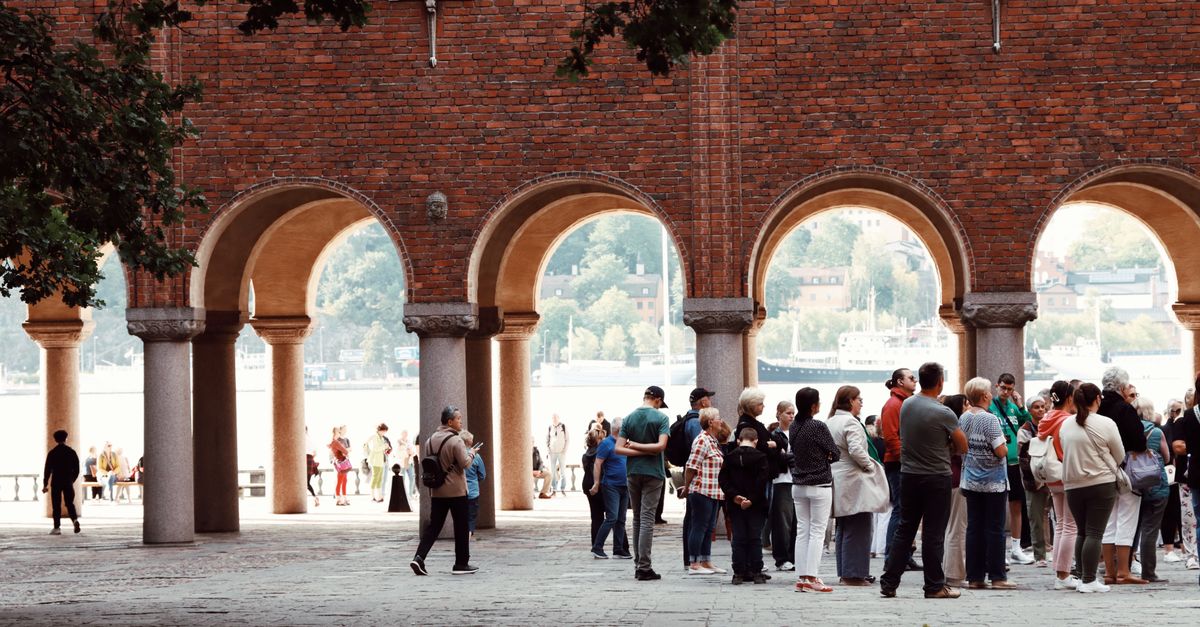
Tour guides work wherever travelers gather for learning and exploration, from bustling city streets to museum halls, outdoor parks, cruise ships, and even online platforms.
1. City Streets - The Dominant Playground
When I first started leading groups in Europe, the majority of my days were spent navigating cobblestone avenues and lively plazas. In fact, 68% of professional European tour guides spend more than half their time walking city streets, according to industry observations. The rhythm of a city tour is fast-paced: you juggle crowd control, narrative timing, and spontaneous questions while keeping the group on schedule.
City streets offer a rich tapestry of history, architecture, and local flavor that can’t be replicated in a museum. I remember guiding a group through Barcelona’s Gothic Quarter; the scent of fresh paella from a nearby tapas bar added sensory depth that a brochure simply cannot convey. This immersion is why many guides favor street tours - the environment itself becomes part of the story.
Logistically, street tours require a portable setup: a lightweight headset, a handheld water bottle, and often a printed map as a backup. Weather is the biggest variable; a sudden downpour can turn a vibrant stroll into a logistical challenge. Most guides mitigate this by offering indoor alternatives or providing rain gear.
68% of professional European tour guides spend more than half their time walking city streets.
Key Takeaways
- City streets dominate guide work environments.
- Flexibility and weather preparedness are essential.
- Street tours blend narrative with live ambience.
- Portable gear keeps guides mobile and efficient.
- Tips often increase with engaging storytelling.
From a financial perspective, city tours tend to generate higher tip percentages because guests can directly see the guide’s effort in real time. I’ve consistently earned 15-20% of the tour price in tips when I add local anecdotes and interactive elements, such as quick language lessons or on-the-spot trivia.
2. Museum Galleries - The Curated Niche
Only 22% of European guides specialize in museum-only tours, but this niche offers a steadier schedule and a controlled environment. Museums provide a predictable climate, fixed opening hours, and a built-in audience of culturally curious travelers.
In my experience, museum guiding demands a different skill set. Rather than improvising on the fly, you must master a deep catalog of artifacts and align your narrative with the institution’s interpretive goals. I spent a summer leading groups at the Louvre’s Egyptian wing, where my preparation involved memorizing provenance dates, language of inscriptions, and cross-referencing each piece with a digital guide.
Because the audience is often more focused on visual details, pacing slows down, allowing for deeper engagement. Guides can incorporate multimedia tools, such as tablet-based augmented reality, to illustrate restoration processes. The downside is that you’re bound by the museum’s security policies and sometimes restricted from certain areas.
Compensation models differ as well. Many museums pay a flat hourly rate rather than a per-person fee, which stabilizes income but can reduce tip potential. However, specialized knowledge can open doors to private tours, which command premium prices.
3. Outdoor Adventures - Parks, Trails, and Heritage Sites
Outdoor guiding blends physical stamina with interpretive storytelling. Whether you’re leading a hike through the Canadian Rockies or a heritage walk in a historic battlefield, the environment becomes a living textbook.
I transitioned to park guiding after noticing a growing demand for experiential travel. The allure is obvious: travelers crave authentic connections with nature and history. In national parks, guides often collaborate with rangers to ensure safety and compliance with conservation rules.
Equipment for outdoor tours includes sturdy footwear, a first-aid kit, and sometimes specialized gear like binoculars or field guides. Seasonal variations dictate the type of tours you can offer - snowshoe walks in winter versus bird-watching hikes in spring.
From a revenue standpoint, outdoor tours usually command higher base prices due to the added risk and expertise required. I’ve seen groups willing to pay $75 per person for a multi-hour hike that includes a packed lunch and wildlife spotting.
| Work Setting | Typical Hours | Average Tip Rate | Key Skill |
|---|---|---|---|
| City Streets | Morning & Evening | 15-20% | Storytelling & Crowd Management |
| Museums | Fixed Hours | 5-10% | Subject Mastery |
| Outdoor Parks | Seasonal | 20-25% | Physical Stamina & Safety |
| Cruise Ships | Rotating Shifts | 10-15% | Entertaining Presence |
| Virtual Platforms | Flexible | Variable | Tech Savvy |
The table above highlights how each setting differs in schedule, tip potential, and core competencies. Understanding these variables helps guides choose the path that aligns with their lifestyle and strengths.
4. Cruise Ships and Mobile Tours
Cruise ship guiding is a unique hybrid of entertainment and education. As a guide on a Mediterranean liner, I learned to adapt my content to diverse audiences who were often on vacation mode rather than deep-dive research mode.
Ship guides must master a rotating roster of ports, each with its own cultural highlights. The challenge is delivering concise yet compelling previews that spark interest without overwhelming passengers. I developed a “quick-hit” format: a five-minute teaser followed by a longer optional excursion.
The work schedule mirrors the ship’s itinerary - early mornings for embarkation briefings, midday for on-shore tours, and evenings for onboard activities. Guides often share duties with entertainment staff, adding a performative element to their role.
Compensation typically includes a base salary plus a per-guest supplement for each shore excursion. Tips can be generous during port days when guests feel the guide’s expertise enhances their experience. I regularly received handwritten thank-you notes, which translate into repeat bookings for future voyages.
5. Virtual Platforms - The Emerging Space
The rise of digital travel experiences has opened a new frontier for guides. Since the pandemic, I have conducted live-streamed tours of historic neighborhoods, allowing participants from New York to Tokyo to join via Zoom.
Virtual guiding requires a blend of traditional narration and tech-savvy production. High-quality video, stable internet, and interactive tools like polls keep audiences engaged. I often supplement live tours with downloadable PDFs and 360-degree photo galleries.
Monetization models vary: some platforms pay per-view, while others rely on subscription fees. Tips are still possible through integrated payment buttons, though they tend to be lower than in-person tours. However, the geographic reach is limitless, and the overhead costs are minimal.
One advantage is the ability to record sessions for on-demand libraries, creating passive income streams. I’ve built a catalog of 30 recorded tours that generate steady monthly revenue.
Frequently Asked Questions
Q: What qualifications do I need to become a city-street tour guide?
A: Most cities require a guide license, which involves a written exam on local history, safety regulations, and sometimes a language proficiency test. Experience in public speaking and a strong knowledge of the area also help you stand out.
Q: How do tips differ between museum and outdoor tours?
A: Museum guides often receive lower tip percentages (5-10%) because the environment is controlled and the service is perceived as less labor-intensive. Outdoor guides can earn 20-25% or more, as guests appreciate the added effort and risk involved.
Q: Is a guide certification required for virtual tours?
A: No formal certification is mandated for virtual guiding, but many platforms prefer guides with proven experience or relevant academic background. Showing a portfolio of past tours can boost credibility and attract bookings.
Q: What are the best tips for guiding on cruise ships?
A: Arrive early for briefings, keep your commentary concise, and tailor your content to the ship’s demographic. Engaging storytelling, a friendly demeanor, and quick adaptability to changing itineraries are key to earning higher tips.
Q: How can I transition from street guiding to museum work?
A: Start by volunteering at local museums to learn curatorial standards and build relationships. Pursue specialized training courses on artifact interpretation, and obtain any required museum guide certifications. Your street experience will add a dynamic edge to your museum presentations.


